
Hormone Imbalances Due to Stress
How Cortisol and Chronic Stress Impact Hormonal Health
The Importance of
Cortisol and DHEA
While much of the media focuses on menopause and hormone replacement therapy for estrogen and progesterone, stress-related imbalances in cortisol and DHEA can also affect your health. These imbalances are often overlooked in traditional medicine, yet they can cause menopausal-type symptoms and have a significant impact on your overall well-being and quality of life.
What Is Cortisol?
Cortisol is often called the stress hormone. It is made by your adrenal glands, which sit above your kidneys. This hormone helps your body manage blood sugar, blood pressure, metabolism, and your natural stress response. According to The Endocrine Society, cortisol follows a daily rhythm. It is highest in the morning to help you wake up. Then drops steadily throughout the day and stays low at night to help you sleep.
Cortisol supports your body by:
Maintaining normal blood sugar
Regulating inflammation and immune response
Supporting metabolism and energy production
Helping you respond to daily stress
When this pattern becomes irregular, your body can stay in a state of alert for too long, which can lead to hormonal imbalance and physical exhaustion.

What Is DHEA?
- Responding to stress
- Producing estrogen and testosterone
- Maintaining normal blood sugar and blood pressure
- Regulating metabolism
- Reducing inflammation
- Enhancing immunity
- Improving memory, cognition, and mood
Why Does Cortisol Become Imbalanced?

Symptoms of Adrenal Fatigue
- Fatigue and low energy
- Poor memory and concentration
- Low libido
- Weight gain, especially around the abdomen
- Decreased muscle mass and weakness
- Depression or flat affect
- Reduced immunity
- Dry skin and eyes
- Slow wound healing
- High blood sugar
- Difficulty recovering after a strenuous activity or stressful day
Symptoms of Overworked Adrenal Glands
- Weight gain, especially around the abdomen
- Round, puffy face
- Feeling tense or anxious
- Feeling exhausted but unable to quiet your mind, making it hard to fall asleep
- Waking up around 2–3 AM and being unable to fall back asleep
- Slow wound healing
- Acne
- Tight, but weak muscles
- High blood pressure
- High blood sugar
How Do I Get Tested for a Cortisol Imbalance?
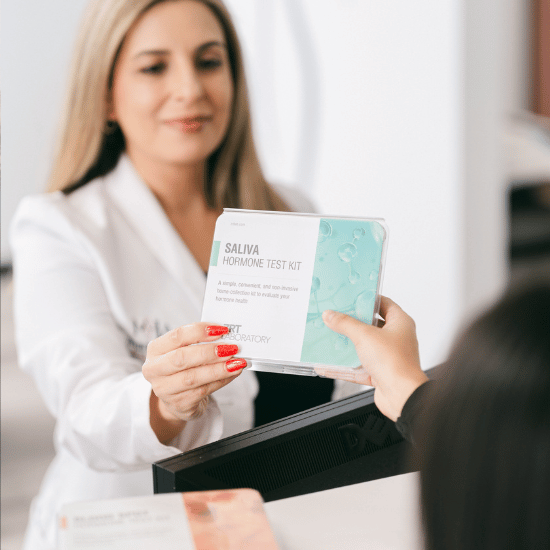
If you suspect a cortisol imbalance, the first step is to schedule a visit with one of our providers at MHA. During your visit, we will review your medical history and perform a physical exam. We will order you a 4-point saliva test to assess your cortisol levels throughout the day. We will also order you blood tests to assess your other hormone levels and basic health labs. Once all tests are complete, you’ll have a follow-up visit to review your diagnosis and receive a personalized treatment plan tailored to your needs.
Holistic Solutions for Chronic Stress and Adrenal Fatigue
- Bioidentical Hormone Replacement : Restores adrenal function when hormone levels are low
- Diet & Lifestyle Changes: Tailored plans to improve mental health and encourage daily relaxation
- Medical-Grade Supplements: Adaptogen blends support adrenal function under stress, while adrenal hormone replacement options are available for women in adrenal fatigue
- ExoMind Treatments : Enhance mental wellness, i
Lifestyle Tips for Managing Stress
Simple lifestyle changes can help reduce daily stress and prevent adrenal fatigue:
- Eat Balanced Meals:
Focus on high-protein, healthy-fat meals and avoid refined carbohydrates and sugars. - Exercise Regularly:
Aim for at least 150 minutes of moderate exercise per week, including strength training. Avoid overtraining or anaerobic exercises, which can add stress to your body. - Prioritize Sleep:
Aim for 7–8 hours of quality sleep each night. - Stress Management:
Use relaxation techniques such as meditation, reading, or spending time outdoors. Additionally, our ExoMind treatments are designed to enhance mental wellness, improve sleep, and help you become more resilient to daily stress. - Time Your Meals:
Avoid eating within 2–3 hours of bedtime to allow proper digestion before sleep. - Take Supplements:
Certain herbal supplements such as ashwagandha, holy basil, and high-dose fish oil may help combat stress and reduce inflammation related to elevated cortisol levels.

Why Choose Murrieta Health & Aesthetics?
Our expert providers specialize in hormone imbalances. We offer personalized, holistic treatment plans that address the root cause of your cortisol imbalance. If you want to learn how to restore your adrenal health through functional medicine, lifestyle changes, and targeted therapies, contact our office at (951) 600-7066 and make an appointment today.

Faq
Frequently Asked Questions
DHEA levels naturally peak when a woman is in her 20s and decline with age. However, DHEA levels are also significantly impacted by stress and nutrition.
Over time adrenal fatigue can be reversed, but this will require you to make lifestyle changes and work closely with a provider who is an expert in functional medicine and hormone balancing, like Dr. Shehata.
Focus on protein and healthy fats. Limit processed foods like bread, pasta, rice, desserts, and sodas since they can cause inflammation. Avoid high-sugar fruits such as grapes, bananas, oranges, and melons, as well as fruit juices, because they can make insulin resistance worse. Instead, choose complex, high-fiber carbs like flax seeds, chia seeds, carrots, sweet potatoes, and beans.
Yes. If left untreated, both high and low cortisol levels can increase your risk of serious health conditions, including heart disease, high blood pressure, cancer, Alzheimer’s disease, muscle loss (sarcopenia), osteoporosis, obesity, and diabetes. Women with high cortisol are also more likely to experience mental health challenges such as depression, anxiety, and panic attacks. The good news is that early management and regular care can help prevent many of these complications.
At MHA, our providers prescribe only medical-grade supplements, which are high quality, effective, and contain minimal fillers. Some supplements help your body calm down during times of stress, while others provide the nutrients your adrenal glands need to function properly. Common supplements used for cortisol imbalances are:
- 100–200mg of Phosphatidylserine
- 200–400mg of L-theanine
- 2000–5000IU of Vitamin D
- Adaptogens such as Ashwagandha, Maca Root, Holy Basil, or Rhodiola
- Licorice root (1–2g, 2–3 times per day) may temporarily increase cortisol production
To purchase supplements, click here.